Explore How We Drive Research and Consultancy Excellence
This section presents GJ Research and Consultancy Service’s commitment to innovation, inclusivity, and cultural responsiveness, delivering expert insights and solutions tailored to government, NGO, academic, and development sector needs.
Discover Our Project Highlights
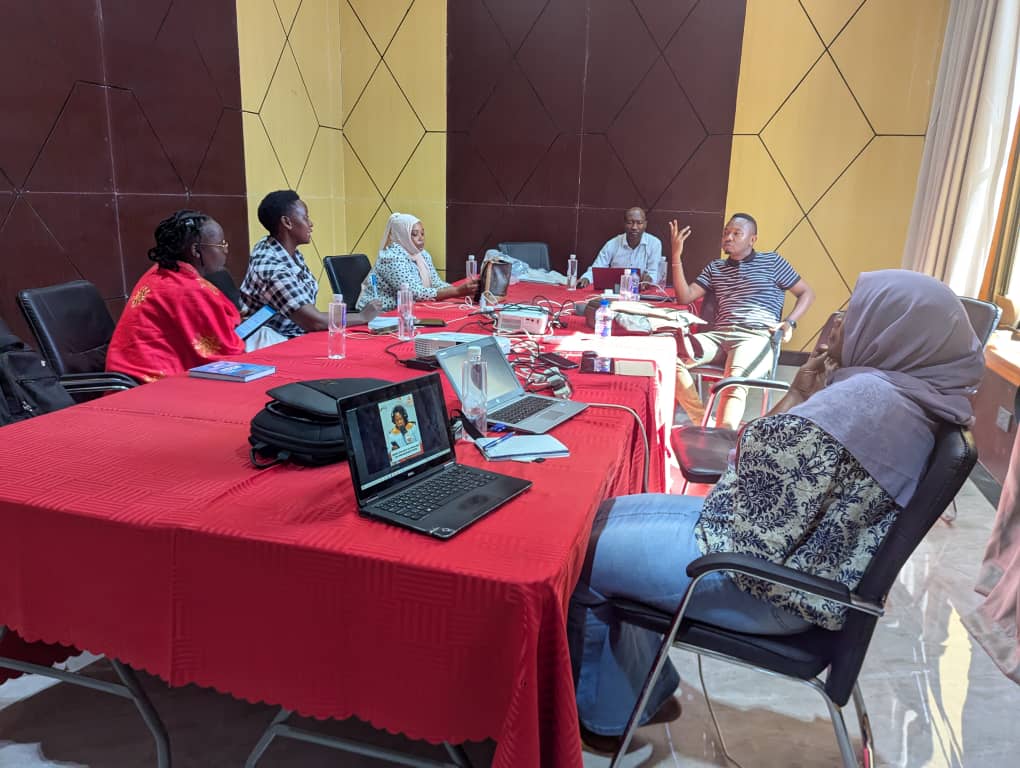
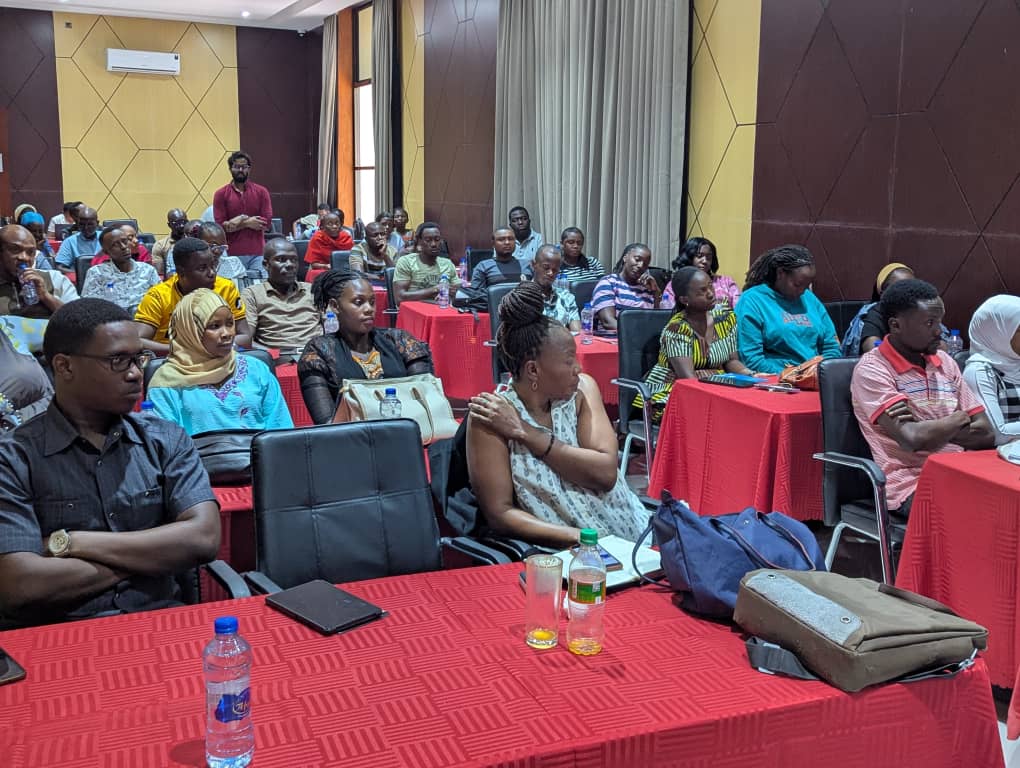
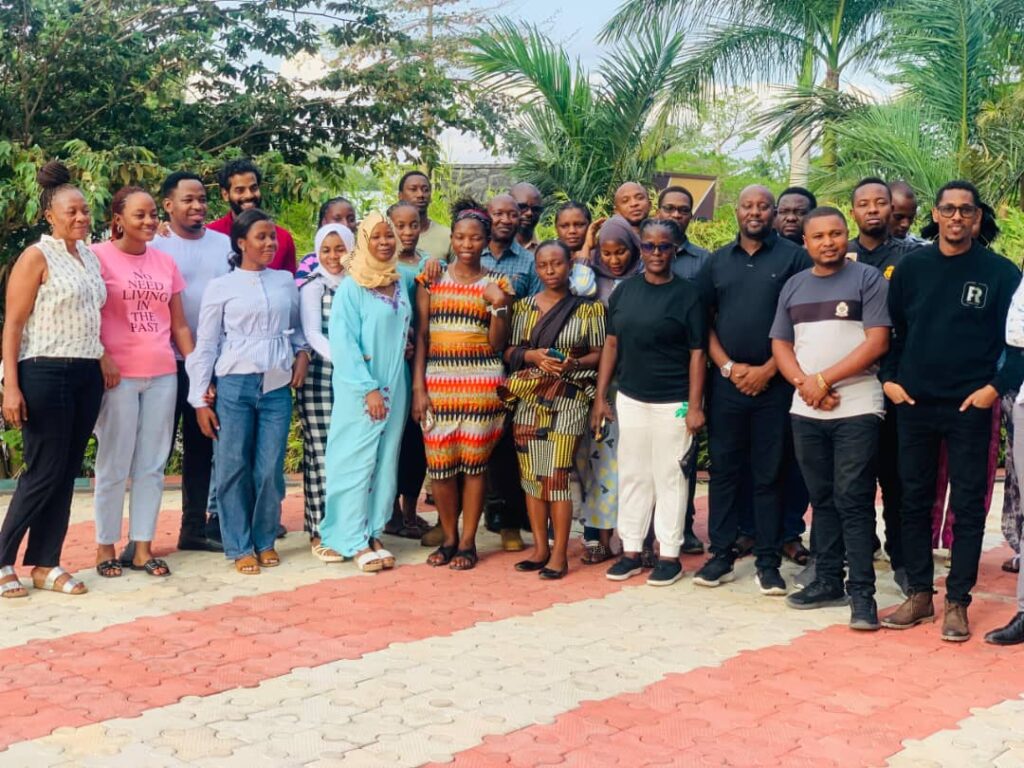
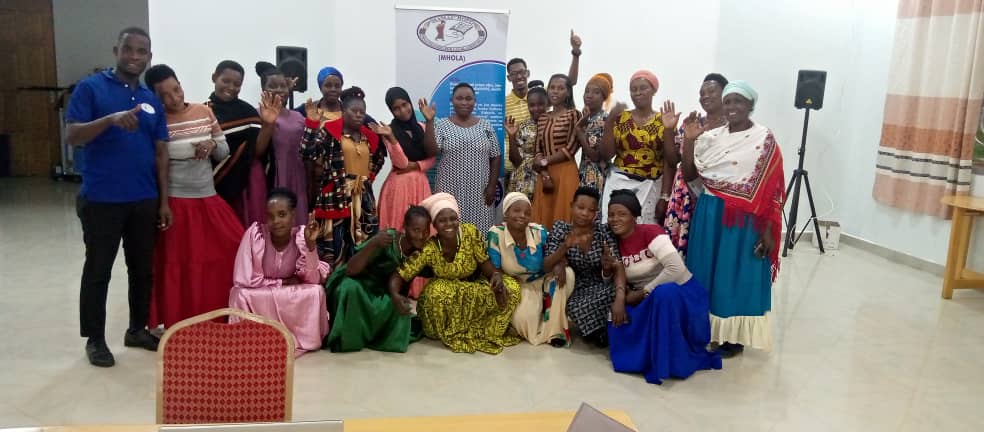
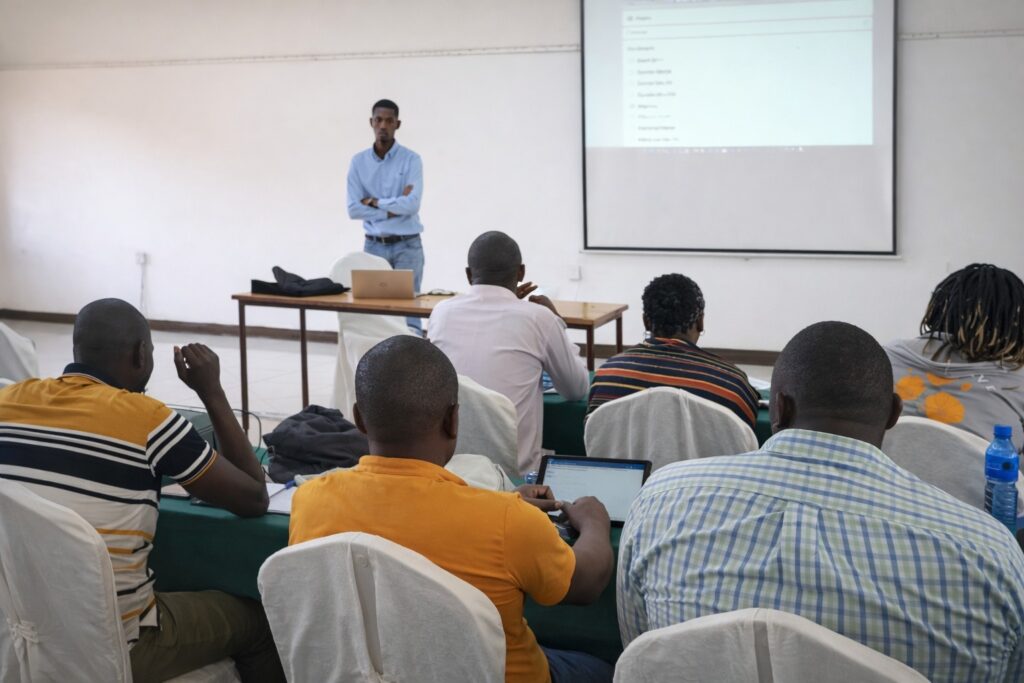
Browse a curated selection of visuals that illustrate our impactful research and consultancy work across Tanzania.
Impactful Project Outcomes from Our Clients
Discover the comprehensive steps we take to deliver tailored research and consultancy solutions that drive meaningful results.
Cornell University Project May 2024
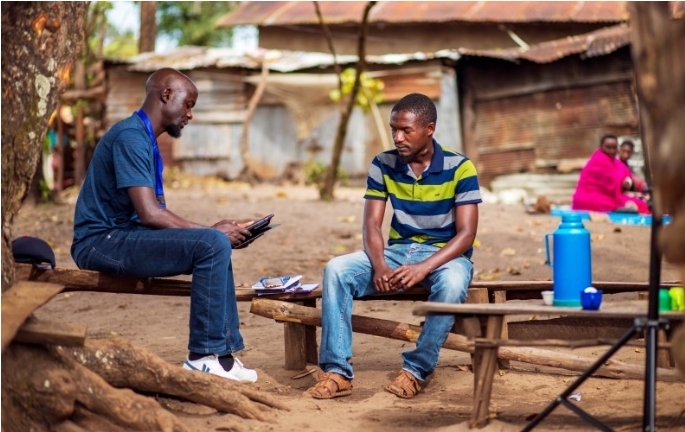
eKichabi is a mobile phone–based information access tool in Tanzania, designed to help rural communities retrieve contact details for agriculture-related businesses using basic phones via USSD codes.
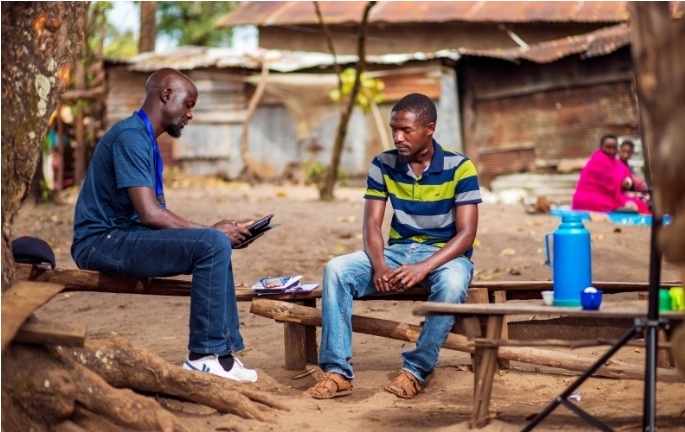
GJ research was responsible for implementing the census survey with firms, and a baseline and endline survey with households. The Census took place in 100 villages in Kagera region . During the endline 3341 households were interviewed in 210 villages.
Nov 2024 Labour Exchange Teams for Development Project (LET4DEV)
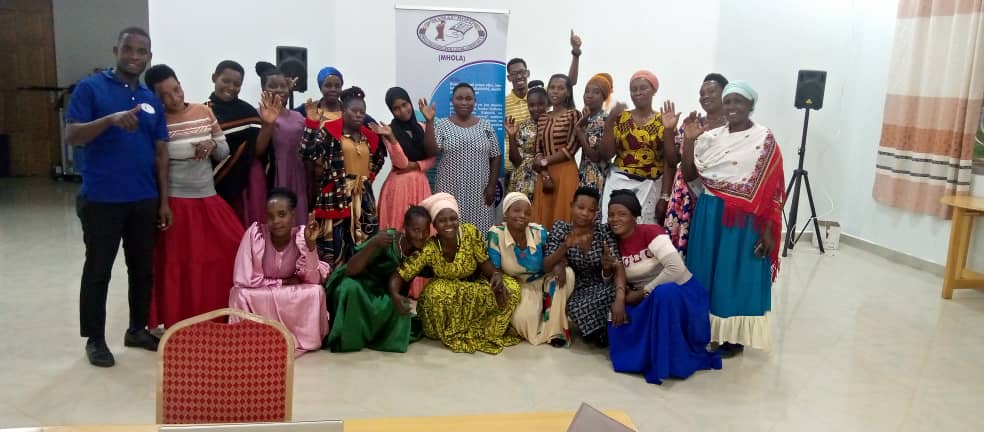
is a project in which we help workers (mostly women) to form teams and exchange labour within that team, according to a pre-established schedule. The terms of reference described here are for the pilot of the project, that is considered as necessary by the Chair of Development Economics and Economic History (CDEEH) to obtain a funding of the project. In rural Sub-Saharan Africa, women tend to spend most of their time in home production and in unpaid activities.
1 Their access to job market opportunities is restricted due to several factors, ranging from social norms dictating the role of women to the scarcity of employment opportunities around their places of residence.Labour exchange teams have been shown to provide several advantages to its members: motivation associated with sharing tedious tasks increases, work can also be carried out more efficiently, or at a key time given weather conditions. In addition, farmers share information and benefit from more flexible access to labour. Thanks to these arrangements,farm productivity is estimated to increase by 30%. Last, there is also evidence that women who participate in these teams benefit from greater employment opportunities.
Tanzania Livelihoods
Baseline (Camfed
project)
Sept-Dec 2024
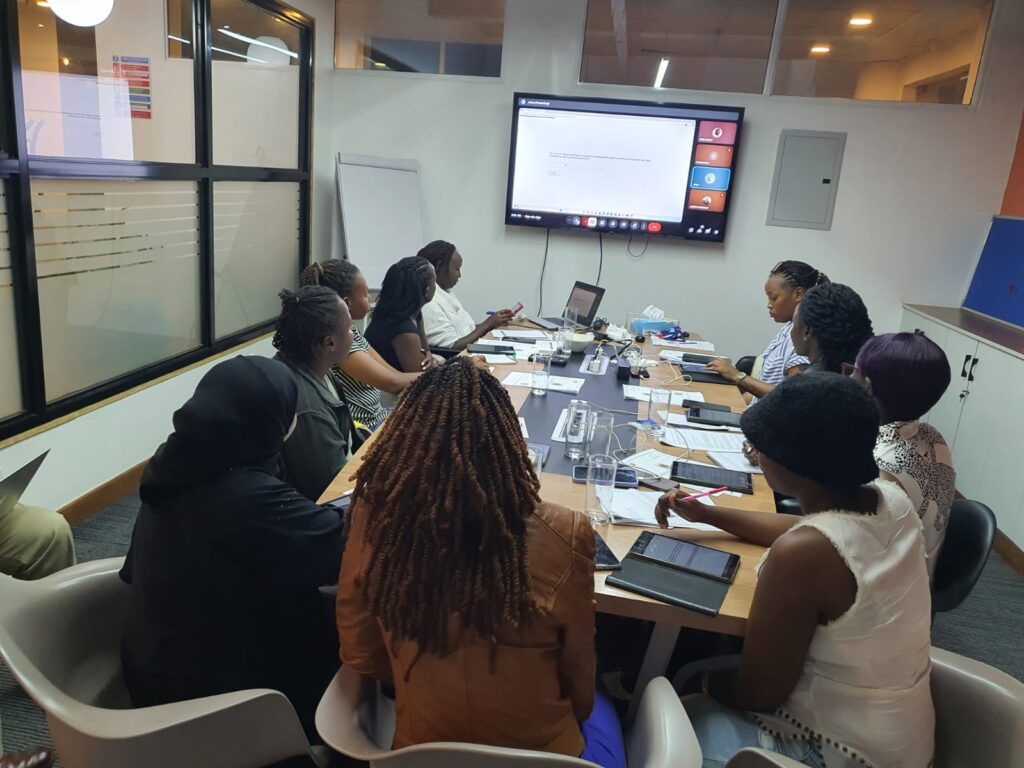
the study employs a mixed-methods approach, incorporating both quantitative and qualitative data collection methods to evaluate the impact and cost-effectiveness of CAMFED’s support for young women’s livelihoods in Tanzania and Zimbabwe. The quantitative component includes cohort data collection with and without a comparison group, while the qualitative component involves in-depth interviews and focus group discussions to capture the experiences and perspectives of participants. Additionally, a cost-benefit analysis (CBA) is conducted to assess the financial implications and value generated by the program. Data management practices ensure the ethical handling and confidentiality of the information gathered, and the study is grounded in a collaborative and participatory research design, engaging various stakeholders
throughout the process.
Stockholm university Project
Jan-May 2025
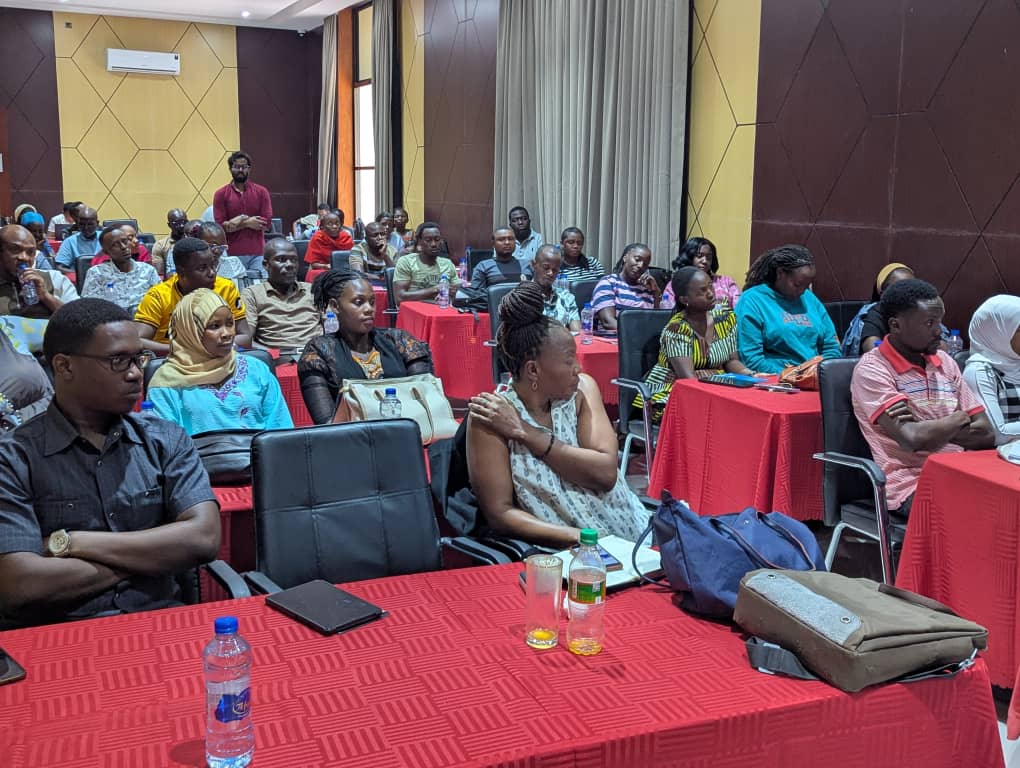
Kizazi Kijacho: Research to Inform Innovative Early Childhood Development project Programming for the Next Generation, – Kizazi Kijacho (The Next Generation) is a six-year (Kizazi kijacho project) program launched in October 2022 to enhance early childhood development (ECD) outcomes in Tanzania. The program focuses on the first 1,000 days of life, Tanzania integrating a parenting intervention with cash transfers to improve child development. To evaluate its impact, collaborated with EDI Global to implement a rigorous multi-arm randomized controlled trial (RCT), collecting data from 3,580 households in Dodoma Region. The poster highlights these methodological achievements, particularly the large-scale implementation of a standardized pop-up shop and strategies used to encourage couple participation. These innovations contribute valuable insights into designing household decision-making experiments in similar contexts.
Kenya and Uganda (August–October 2025)
DMPA-SC (subcutaneous depot medroxyprogesterone acetate)
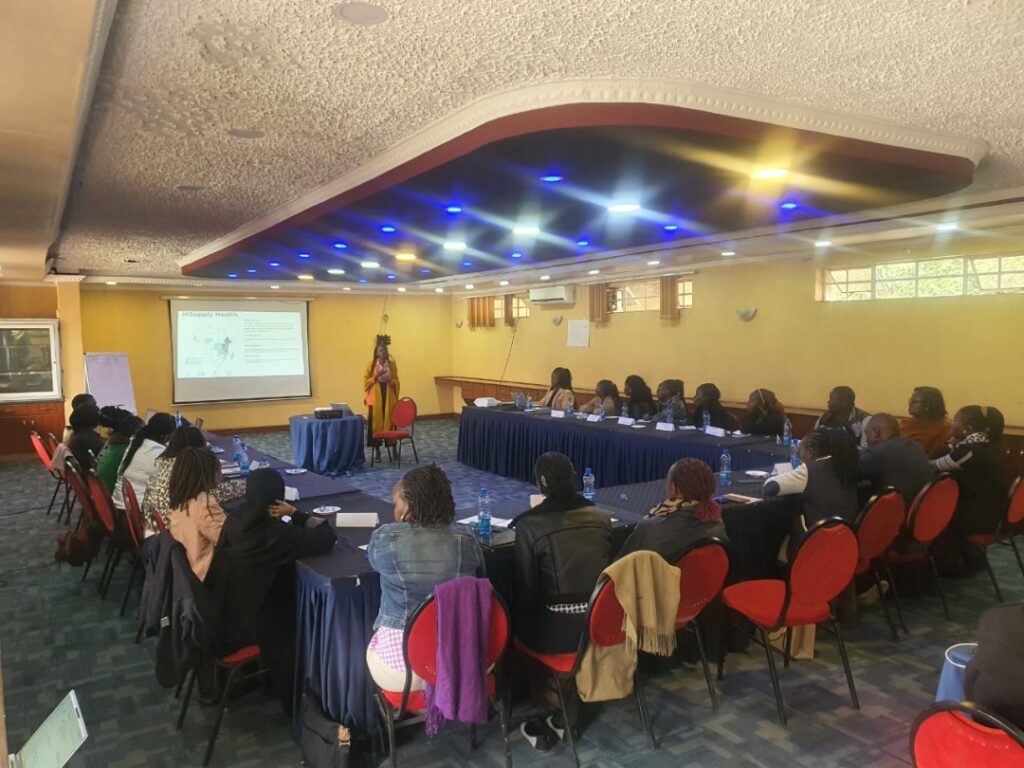
The DMPA project in Kenya and Uganda focused on expanding access to DMPA-SC, a self-injectable contraceptive. In Uganda, the emphasis was on community-based delivery and self-injection scale-up, while in Kenya the project centered on large-scale distribution through health facilities and training women to self-inject.
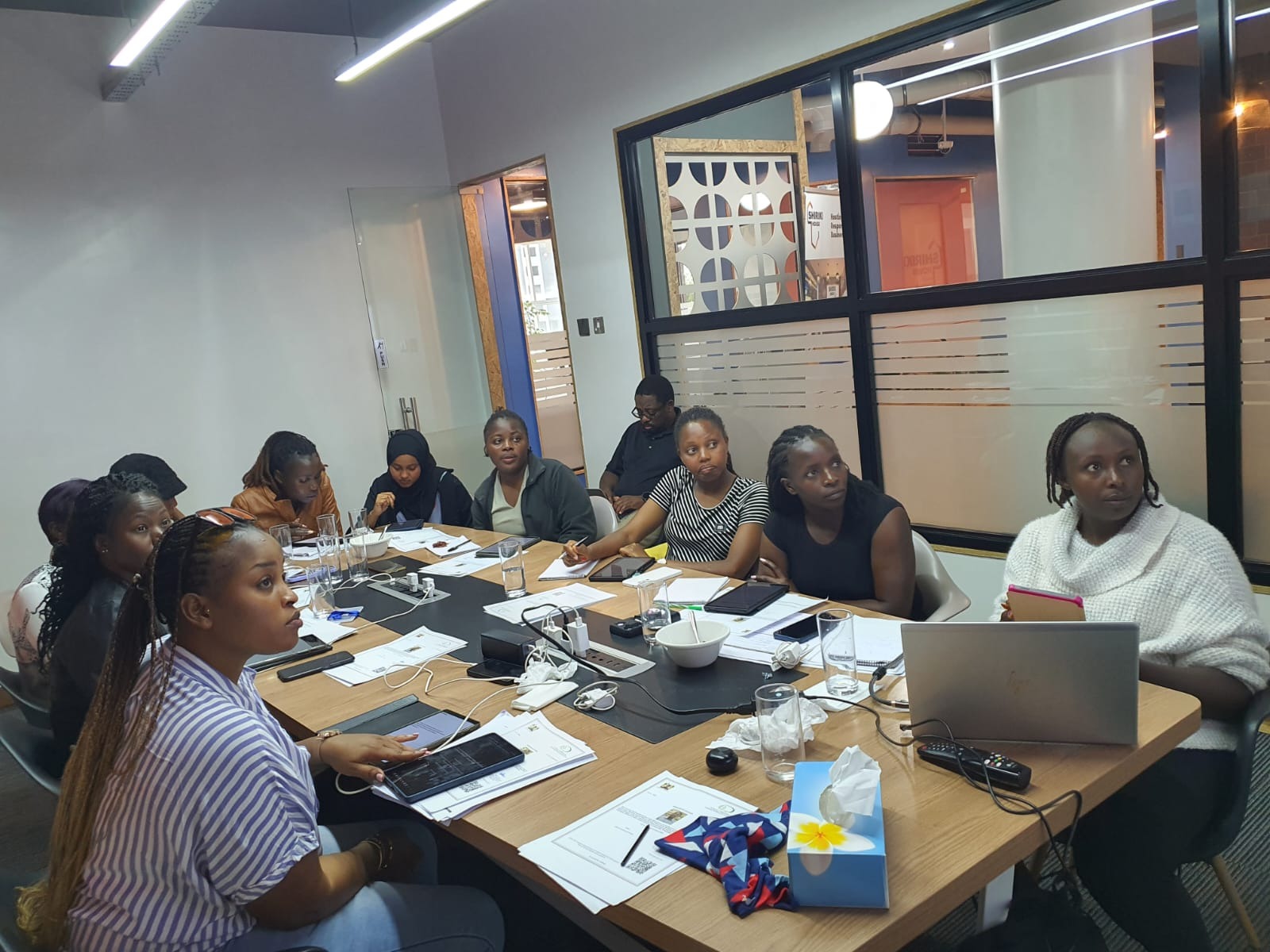
GJ Research and Consultancy Services provided end-to-end data management support, including programming survey tools in SurveyCTO, testing, and updating modules. The team collaborated with Mathematica’s Data Management Unit and EDI to prepare reference data and ensure smooth fieldwork operations.
Key contributions included:
Designing training protocols, developing materials, and delivering sessions for enumerators and supervisors to strengthen capacity.
Managing do-files for data cleaning, translation, and processing, while monitoring field progress through dashboards and daily reports.
Finalizing master datasets, verifying quality control data, and contributing to the Project Completion Report to ensure accurate project outputs.
UMD-KHDS Project
Kagera Health
Development Survey
Tanzania
Nov 2025-Feb 2026
The study scope spans the whole of Kagera and other regions of Tanzania where study participants from Kagera have migrated to. The study will also track migrants who have moved abroad. KHDS7 wishes to survey all children of KHDS1 (Wave 4) households referred to as Generations two (G2) and Children of the G2 who will be referred to as Generation 3 (G3). The survey sample will consist of approximately 11,000 individuals drawn from 3,500 households, divided evenly across the three phases. Each phase will therefore cover roughly 3,667 individuals and 1,166 households.